

- Call us (203) 956-5710
- Request a Call Back
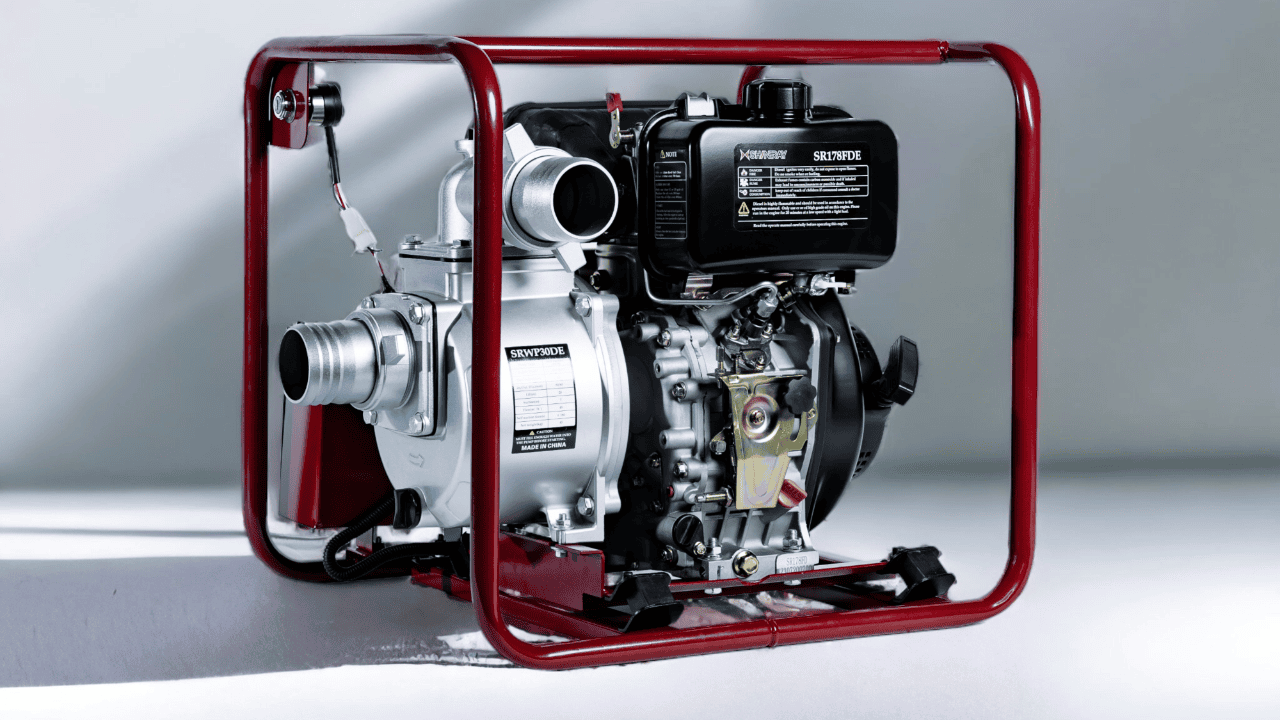
When a Connecticut storm knocks out the power, a portable generator can keep essential equipment running, but improper use can create serious risks, including carbon monoxide poisoning, electrical shock and fire.
Before the next outage, review these portable generator safety tips with everyone in your household.
Keep the Generator Outside
Never operate a portable generator inside a home, garage, basement, shed, crawlspace or enclosed porch. Even if the doors are open. Generator exhaust contains carbon monoxide, an odorless gas that can become deadly within minutes.
The U.S. Consumer Product Safety Commission recommends placing generators outdoors, at least 20 feet from the house. Point the exhaust away from doors, windows, vents and neighboring buildings.
Make Sure Your Carbon Monoxide Alarms Work
Install battery-powered carbon monoxide alarms, or alarms with battery backup, on every level of your home and outside sleeping areas. Test them regularly—especially before severe weather is expected.
If an alarm sounds, or anyone develops a headache, dizziness, weakness, nausea or confusion, move outside immediately and call 911.
Keep the Generator Dry
Operating a generator in wet conditions can cause electrocution. Place it on a dry surface beneath an open, canopy-style cover that protects it from rain without trapping exhaust. Never handle the generator or its electrical connections with wet hands.
Use the Right Extension Cords
Only use heavy-duty, outdoor-rated extension cords with three-prong plugs. Inspect each cord for cuts, exposed wiring or damaged insulation, and make sure its electrical rating can handle the connected equipment.
Avoid overloading the generator. Check the manufacturer’s wattage limits before connecting refrigerators, sump pumps, heating equipment or other appliances.
Never “Backfeed” Your Home
Do not connect a generator to your home by plugging it into a wall outlet. This dangerous practice, known as backfeeding, can send electricity into utility lines and put utility workers, neighbors and your household at risk.
If you want a generator connected to your home’s electrical system, have a qualified electrician install the proper transfer equipment.
Let the Generator Cool Before Refueling
Turn the generator off and allow it to cool completely before adding fuel. Gasoline spilled onto a hot engine can ignite. Store fuel in approved containers outside living areas and away from ignition sources.
Prepare Before the Storm
When it comes to generator safety, a little preparation can prevent a power outage from becoming a much larger emergency. Review your generator’s manual, stock the correct fuel and extension cords, and confirm that your smoke and carbon monoxide alarms are working.
If severe weather causes a sump pump failure, roof leak, flooding or other property damage, Hightower Restoration is ready to help with professional storm damage restoration and emergency water damage cleanup.