
- Call us (203) 956-5710
- Request a Call Back
Key Takeaways:
- Per the EPA: mold removal is safe to do yourself up to a 3×3-foot patch of visible growth.
- Hard surfaces such as tile, glass, and sealed wood scrub clean pretty easily. But porous materials like drywall, insulation, and carpet padding hold spores below the surface.
- Hightower Disaster Restoration follows strict EPA standards, giving Connecticut residents peace of mind with professional mold remediation protocols.
- Our mold removal tips center on specific removal techniques: find the source, contain the source, and thoroughly clean and dry the affected area.
If you’ve ever noticed dark spots or patches spreading on your walls or tiles, then you’ve probably thought a quick clean will do the trick. For small areas, this may be the case, but DIY mold removal sounds less appealing on larger surfaces and presents a deeper, more dangerous problem.
At Hightower Disaster Restoration, we’ve walked into Connecticut establishments and seen nearly every type of mold that can cause serious health risks, like allergic reactions, infections, and cellular toxicity. We know how to fix the mold issue for good, beyond what simple DIY mold remediation techniques can do.
This guide should help you determine which mold jobs to do yourself and which to leave to the experts.
The 3×3 Square Foot Rule
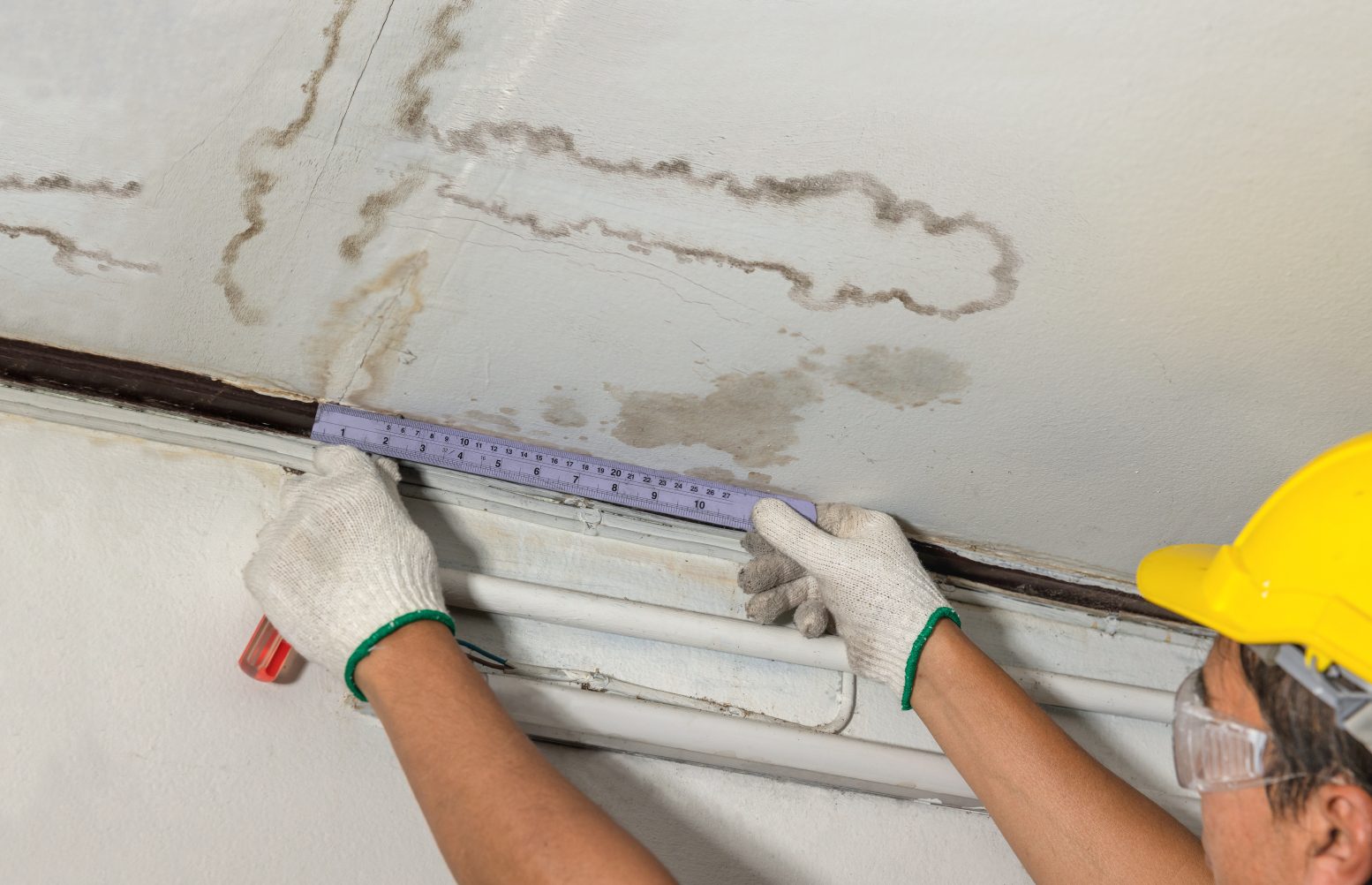
The line between home remedies that remove mold and professional remediation services is outlined by the Environmental Protection Agency (EPA)’s stance on mold cleanup in your home. Essentially, growth under 10 sq. ft. (a 3×3-foot patch) is usually safe for homeowners to clean themselves.
Anything larger should be deferred to a remediation crew. So before you commit to DIY mold removal, measure the space first. However, be advised that even small surface discoloration can have underlying mold that may already be spreading throughout your establishment.
How You Can Remove Mold Yourself
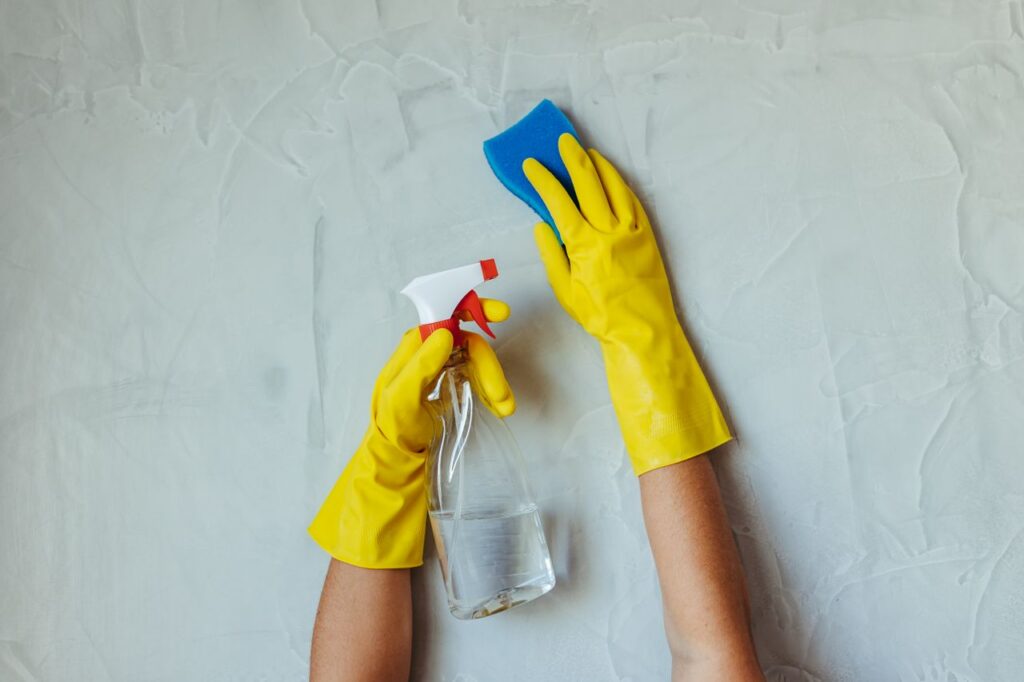
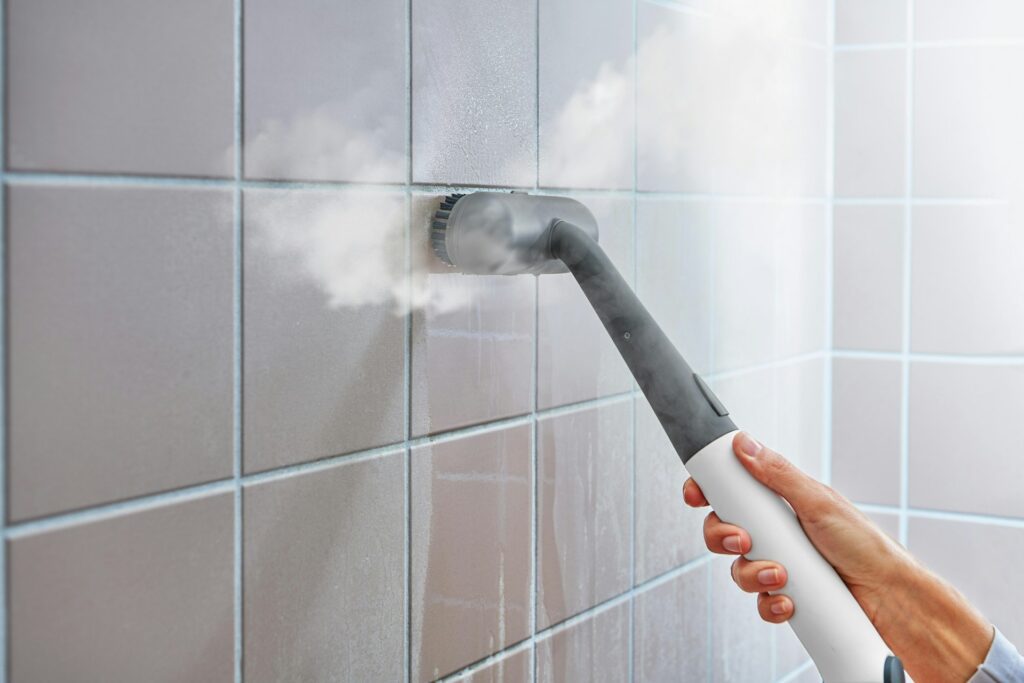
Under the right conditions, a homeowner can handle a small mold colony on their own. If you see growth happening on tile, glass, sealed countertops, finished wood, or other types of hard surfaces, then you don’t necessarily have to hire a professional team. On these types of surfaces, mold comes off fairly easily with a stiff-bristled brush and a surfactant cleaning agent.
Pro mold removal tip: Easy does not mean safe. Be sure you wear gloves, goggles, and an N95 respirator throughout the job.
Once you’ve isolated your patch, put a plan together for DIY mold removal:
- Find the leak and repair that first. Mold grows from a source of water. Cleaning over a problem that will pop back up is counterproductive.
- For hard surfaces, you can scrub with consumer-grade mold cleaning products. Then, rinse the area thoroughly.
- To contain the spores, bag and seal used rags, sponges, and gloves before carrying them through other rooms.
- Completely dry the surface with a fan (pointed away from the interior of your home) and use a dehumidifier. Do this for at least 24 to 48 hours so growth doesn’t return.
Do Home Remedies Actually Work to Remove Mold?
Reliable mold removal tips do not start in the pantry. Bleach, vinegar, and peroxide are all popular cleaning choices among consumers to kill mold, but the EPA does not recommend biocides or acids as a routine practice during mold remediation.
Using harmful chemicals poses various safety risks if chemicals are mixed, creating toxic fumes you should avoid inhaling. Plus, even dead mold can cause allergies and respiratory issues. That’s where DIY mold removal runs into trouble, and the EPA focuses on safe removal rather than killing spores.
Do You Need a Professional to Remove Mold?
Killing mold is not enough. If you want proper mold removal, you’ll have to remove it properly. Hightower Disaster Restoration’s remediation technicians follow the practice standards published by the EPA and the Institute of Inspection Cleaning and Restoration Certification (IICRC). We first seal off the affected area, run air scrubbers and industrial HEPA vacuums, and use advanced moisture detection tools to trace the water source rather than treating the stain alone.
DIY mold removal and other home remedies to remove mold come with no warranty or assurance, whereas Hightower Disaster Restoration backs every job with our work guarantee. Not only that, we bill your insurer for you, making safe removal more accessible.
When to Call a Mold Removal Expert
If mold keeps coming back, surfaces are emitting a foul smell, or you are experiencing any physical irritation, it’s time to call Hightower Disaster Restoration. According to the Centers for Disease Control and Prevention (CDC), extended exposure can cause coughing, wheezing, or a severe reaction, especially in those with preexisting respiratory conditions. No mold removal tips will help with these, so reach out when you notice any:
- Growth returning after cleanings
- Discoloration near HVAC vents or ducts
- Warped flooring, bubbling paint, or soft drywall
- Staining that followed flooding or a burst pipe
Remember, DIY mold removal is generally considered safe under the following conditions:
- The infected area is less than 10 square feet.
- Simple water and detergent can remove the spores.
- The surface is non-porous. Porous material, like drywall, ceiling tile, fiberglass insulation, and carpet padding, is riddled with spores deep into the areas you can’t reach, so wiping the outer surface accomplishes very little.
Start With a Free Inspection
DIY mold removal isn’t for everybody because it’s difficult to guess what type of mold problem you have without professional tools. Hightower Disaster Restoration removes that barrier, offering a no-obligation, free inspection to all Connecticut residents and businesses. Call 203-956-5710 24/7 for mold, smoke, fire, and water damage mitigation.
Frequently Asked Questions
How long do home remedies work?
Home remedies to remove mold work only until the moisture returns. Chemicals used to kill mold only temporarily fix the issue. To eradicate it completely, you want to get rid of your moisture problem and then safely remove all mold spores from your property.
Is bleach a reasonable mold removal DIY option?
Rarely will a professional tell you that bleach is the answer to ridding your property of mold, and Hightower Disaster Restoration leaves bleach out of the conversation entirely. Effective removal is aimed at eliminating both visible and hidden spores.
Is professional remediation way more expensive than DIY?
Professional pricing for mold remediation depends on area and severity. DIY projects come with their own variance. Consider what it costs to have a problem reappear over and over again, and the risks to health. Our free inspection will tell you exactly if DIY mold removal is the best method or if complete eradication saves you in the long run.