
- Call us (203) 956-5710
- Request a Call Back
Key Takeaways:
- Water damage causes deep structural issues to wall framing, flooring, and drywall because these materials hold moisture you can’t always see.
- Instead of eyeballing it, Hightower Disaster Restoration uses professional equipment, like moisture meters and HEPA air scrubbers, for water damage mitigation.
- The EPA recommends drying out water damage within 24 to 48 hours to limit mold growth, so getting a team at your establishment quickly saves on costly repairs later.
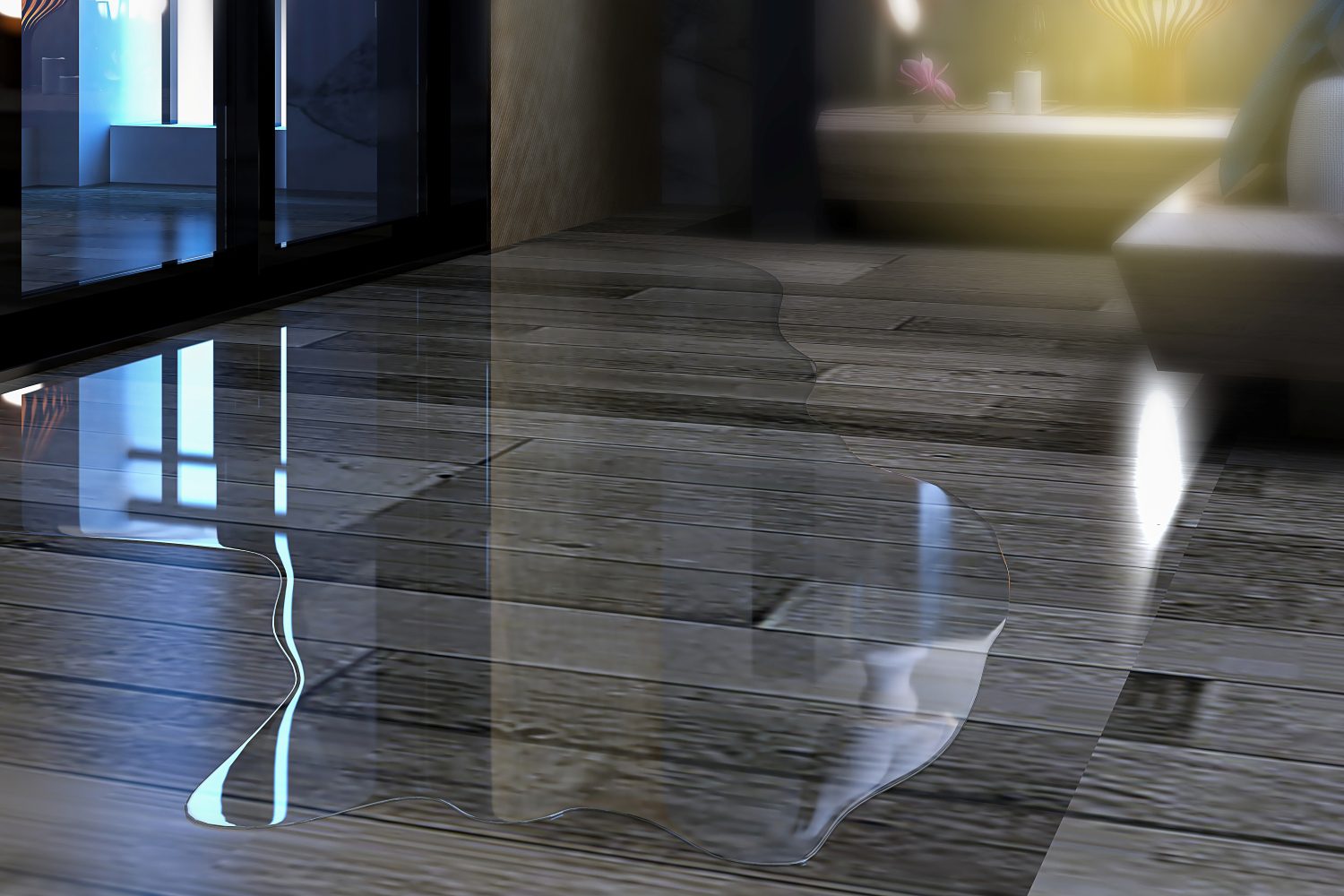
Connecticut is no stranger to floods from river overflow, Nor’easters, and excessive rainfall. And older buildings can cause problems on a regular day, with burst pipes and leaky faucets. Drying the surface of noticeable water buildup, while an appropriate first step, simply won’t cut it. You’ll need deep structural drying to mitigate the issue fully.
At Hightower Disaster Restoration, we have been drying Connecticut homes since 1983, so we know what process works for the types of buildings in our towns. Here’s a look at what homeowners need to know about their water mitigation project:
Surface Water vs. Trapped Moisture
Before help arrives (within 24-48 hours of noticing standing water), it’s best to clean water from the surface using your everyday household tools (towels, mops, a wet/dry vacuum if you have one). This is the water you can visibly see.
After the surface water is gone, structural drying begins. Trapped moisture tends to hide deep within the structural materials you can’t easily reach. However, our professional drying services can find leftover water inside:
- Drywall and baseboards
- Subfloor (what lies beneath vinyl, laminate, or tile)
- Insulation inside wall and ceiling cavities
- Cabinet bases and their framing
- Carpet padding
- And more
Equipment Needed for Water-Damaged Properties
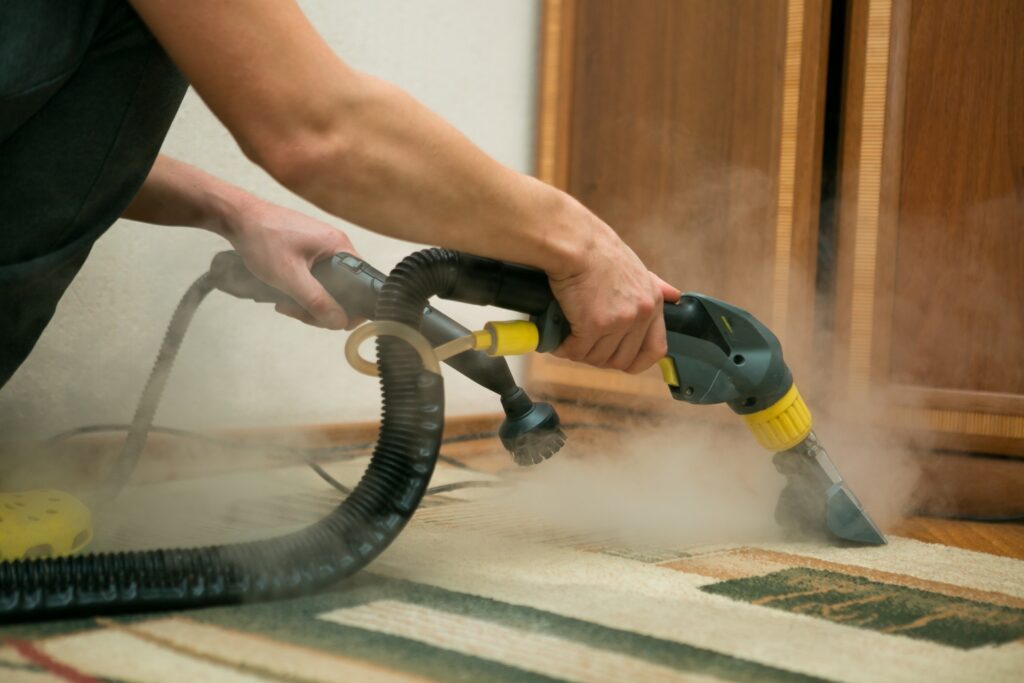
Drying out water damage is just as much about the method as it is about the equipment used. Many of the tools Hightower Disaster Restoration employs aren’t readily available to consumers. We’ve got your wet property covered with:
- Industrial-grade pumps
- Water extraction units
- Industrial-grade dryers and dehumidifiers
- Advanced moisture detection tools and meters
- Thermal imaging cameras
- Air scrubbers
- Industrial HEPA vacuums
The Structural Drying Timeline
From beginning to end, water restoration takes time, and that time is relative to the volume of water present at the property:
- Minor – Small leaks on structurally sound materials
- Major – Large water buildup on dense materials
- Severe – Catastrophic flooding events or contaminated water
Stages of the Drying Process
- The first 48 hours – Consists of surface drying and prep for water extraction.
- Day 3-5 – This is usually when minor damage is fully mitigated and structurally dry.
- Week 1+ – For major and severe water damage, our structural drying services continue, and your property undergoes its final mold prevention and remediation checks. This is also when your technician will recommend repairs once drying is fully signed off on.
Why the 48-Hour Window Exists
The EPA advises drying wet materials within 24 to 48 hours to prevent mold from taking hold. That window is important, as it sets the tone for the entire process. Drying out water damage swiftly makes your water mitigation project more affordable in the long run.
Prepare Your Property for Structural Drying Services
At Hightower Disaster Restoration, our technicians must first understand the structural design process of your home before beginning any structural drying. Your home’s exact blueprint and water system decide where water travels. This information is useful when assessing potential damage and stopping leaks.
What helps before we arrive:
- If you don’t already have the blueprint, call the original builder or the city
- Shut off the water source if you can do so safely
- Lift rugs and small furniture off wet flooring
- Leave wet drywall and flooring in place for assessment
- Photograph everything for your insurance claim
Beyond surface drying, this simple prep list will give our technicians a good head start in mitigating the damage and restoring your property.
Prevention & Remediation Resources
Owning a home can be daunting with all the things you need to manage yourself. Our free Customer Resources downloads go over small things you should be doing monthly, quarterly, semiannually, and annually so that you can stave off costly water damage before structural drying becomes a necessity in the event of a water disaster.
Connecticut Relies on Hightower Disaster Restoration
We are a fourth-generation, family-owned damage restoration company that serves Connecticut with concierge-style remediation. Here is why homeowners look to us for help:
- Phones answered 24 hours a day for water damage
- A free inspection, with baseline readings taken in every affected material
- A written scope before structural drying starts, so nobody is guessing at cost or timeline
- Technicians who work for us directly, never subcontractors
- Our structural drying services follow the protocols set forth by the Institute of Inspection Cleaning and Restoration Certification (IICRC)
- Daily monitoring visits with documented readings
- A guarantee on every job we complete
- Insurance claims can be handled for you by documenting loss and dealing directly with your provider
Get Ahead of the Damage
Proper structural drying takes attention and care so that water damage doesn’t turn into lingering odor, cause warping, or become optimal grounds for mold growth. Property owners who take action immediately see diminished costs and better restoration outcomes.
If you are dealing with a leak, a burst pipe, or a flooded home anywhere in Connecticut, call us immediately at 203-956-5710. In many cases, our crew can begin drying out water damage the same day.
Frequently Asked Questions
Can I dry it out myself with fans?
For very minor water spills, surface drying can be handled yourself. Once water is suspected to have reached deep surfaces you can’t get to, structural drying is the only way to remove hidden moisture.
Does homeowners insurance cover the drying process?
Most policies cover sudden and accidental water damage, such as a burst pipe, while gradual leaks or natural floods will need separate flood insurance. We work with either insurance type to help get your project covered.
What is advanced structural drying?
For advanced drying, Hightower Disaster Restoration technicians use what they learned from psychrometry, the science of controlling temperature and humidity, to speed up evaporation. Their training covers hardwood floors, wall cavities, and other materials that are resistant to standard drying.